Rhythms are a constant throughout our lives. We start life hearing mother’s heart beat. The rhythm of mother’s body brings us into this world. We breathe, our hearts beat. Night brings day brings night… the moon cycles, the seasons change, the waves crash upon the shore eternally, and we listen to the clock ticking in sleepless night.
Rhythm is the heart of life. It makes perfect sense then that children need a predictable routine to their lives.
As the summer starts to wind down, it is our job to help children begin to get into their fall routine a couple of weeks before school begins. The lazy days of summer have swept us away in a different whirlwind of activity, and most of us are quite exhausted from the frantic pace we have managed to keep despite every intention to relax a bit. We tend to forget that recovering from the “jet lag” of this transition does not happen overnight.
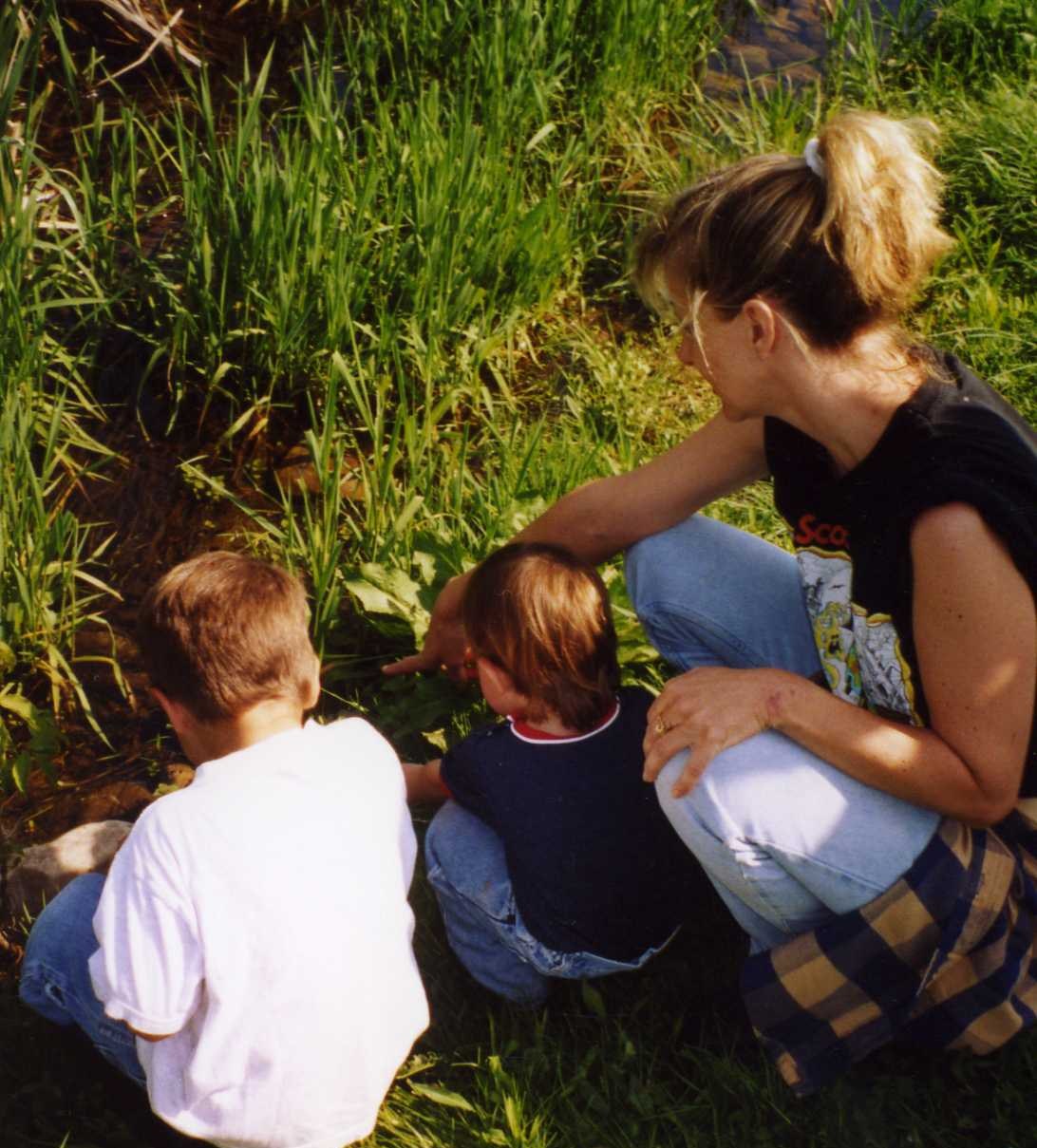
Back in the days when I was home with my toddlers, we settled into a routine. Out of the house by 9:30 (rain or shine which took some doing with four kids!), an almost daily walk downtown took an hour and a half in the cold months, three hours in the warm weather to allow for inspection of anthills and spiders weaving their webs, watching caterpillars munch, and dropping leaves and sticks into the stream. Not to mention sitting on every rock and stump we encountered, and climbing through the cluster of bushes we called the “jungle” on the corner. On the days we went to the playground, we stopped to wade in the creek in search of crawdads and other critters.
As the summer starts to wind down, it is our job to help children begin to get into their fall routine a couple of weeks before school begins. The lazy days of summer have swept us away in a different whirlwind of activity, and most of us are quite exhausted from the frantic pace we have managed to keep despite every intention to relax a bit. We tend to forget that recovering from the “jet lag” of this transition does not happen overnight.
Back in the days when I was home with my toddlers, we settled into a routine. Out of the house by 9:30 (rain or shine which took some doing with four kids!), an almost daily walk downtown took an hour and a half in the cold months, three hours in the warm weather to allow for inspection of anthills and spiders weaving their webs, watching caterpillars munch, and dropping leaves and sticks into the stream. Not to mention sitting on every rock and stump we encountered, and climbing through the cluster of bushes we called the “jungle” on the corner. On the days we went to the playground, we stopped to wade in the creek in search of crawdads and other critters.
Regardless of what we were doing, my full intent for the morning was to wear those kids out so they would take a good long nap! Timing was everything. We had to get back home for lunch without the babies falling asleep on the last leg of our journey, for even a ten minute snooze would not only blow the luxury of peace and quiet; they would awaken the moment the stroller rolled to a stop, and be rested enough that they would instead nap from 4:30-7:30 and be awake half the night.
 |
| So much for early to bed! |
Likewise, if they didn’t go down for nap before 12:45 pm at the latest, they would get their second wind only to crash in the late afternoon. This was to be avoided at all costs.
After nap: snack, another walk around the block, and then Mr. Rogers and Disney while dinner was being prepared. Dinner, baths, story time, bedtime. Our house ran like clockwork as I realized that really, children do need rhythm to their day.
Rhythms are at the very core of our existence. While a certain amount of flexibility is necessary and desirable, having a routine helps us to feel grounded and in control of our lives. It takes so much of the struggle out of our days when the children know when it is time to get dressed and why, when they can expect snack or lunch, and when it is time to go to sleep.
Rhythms are at the very core of our existence. While a certain amount of flexibility is necessary and desirable, having a routine helps us to feel grounded and in control of our lives. It takes so much of the struggle out of our days when the children know when it is time to get dressed and why, when they can expect snack or lunch, and when it is time to go to sleep.
We all want to know what to expect. It is a consolation to parents as well, allowing us to anticipate a break from the wonderful mayhem that is childhood!
RDW 8-8-09
RDW 8-8-09