The spectacular beauty of winter is not always as obvious as it is after a fresh snowfall, or when the trees glisten with ice. But if you look closely, you will see muted splendor in the reds, browns, golds, and forest green of garden and roadside brush.
On closer observation, you will see that winter vegetation is aflutter with wildlife. Squirrels frolic in the trees and scrabble about in search of hidden nuts; birds flock seeking nourishment.
In order for the birds to survive through winter, they need a sufficient food supply to maintain their high body temperature. The scarcity of food causes a drop in body temperature, often leading a bird to freeze to death.
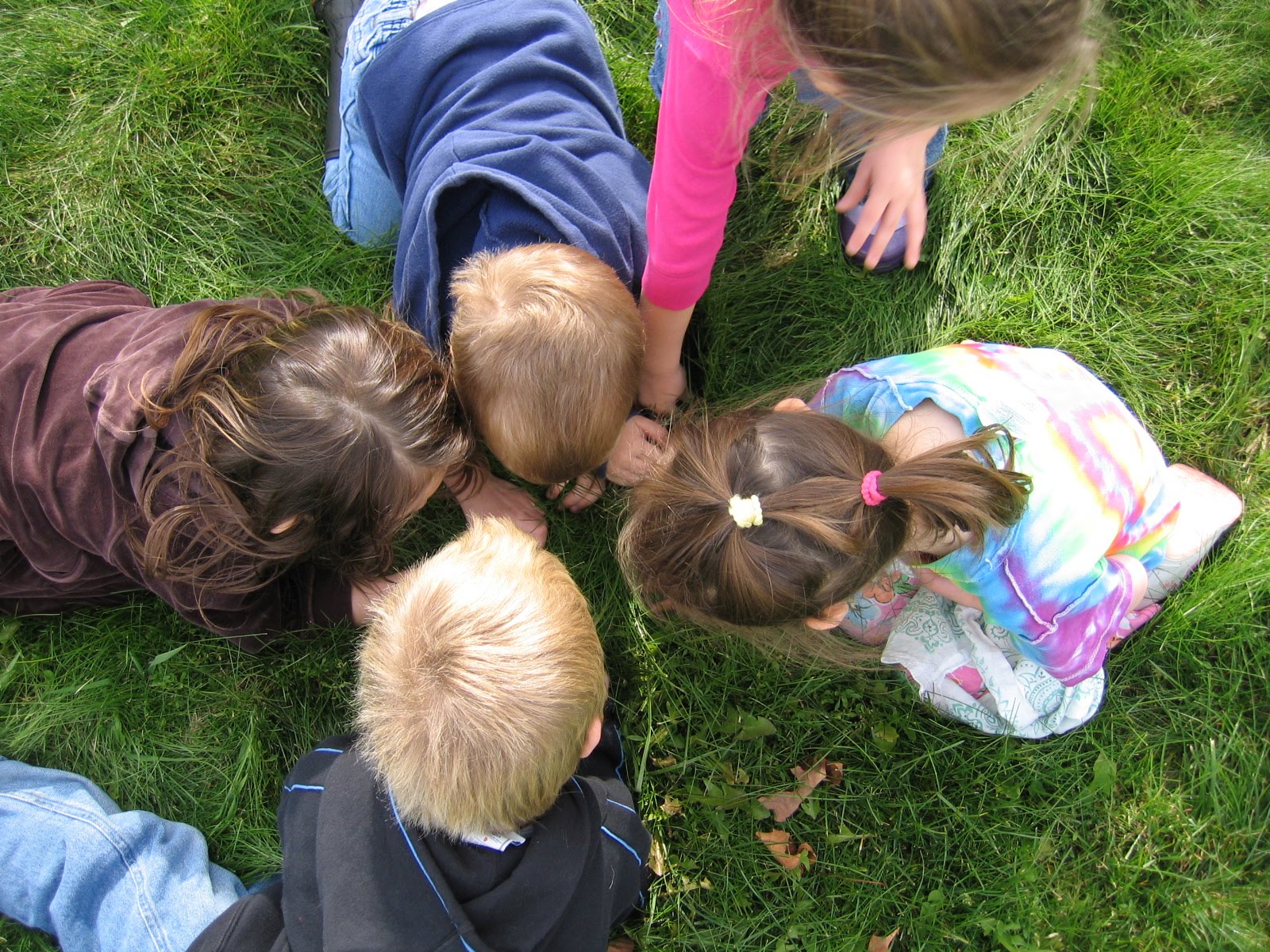
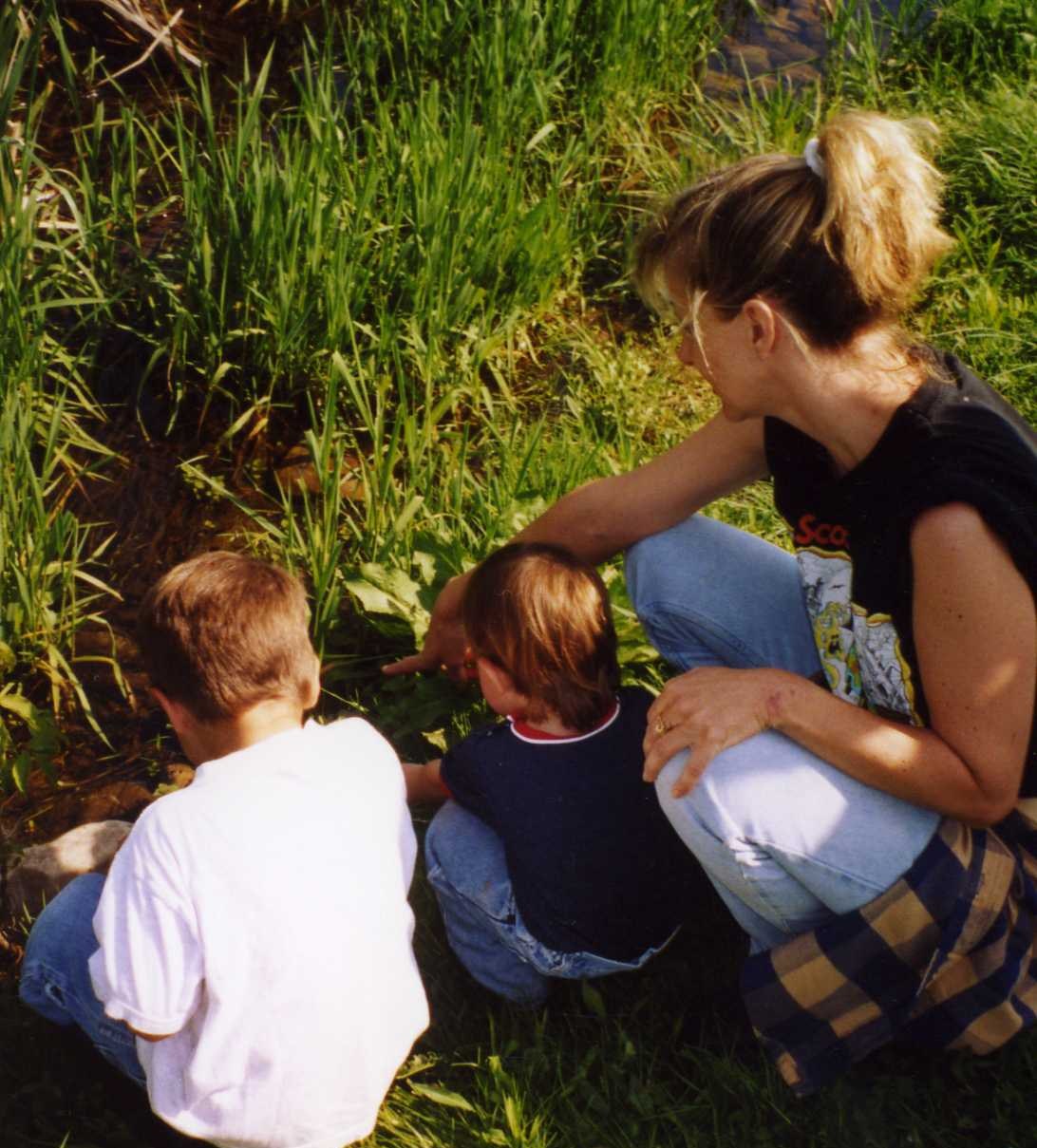
Children love to observe nature, and setting up a feeding station in your back yard will provide a valuable service to the wildlife in your neighborhood, as well as a memorable learning experience for you and your children. Easy access to binoculars and a field guide for bird identification further enhance the experience.
During the winter, woodpeckers, nuthatches, and chickadees scavenge for hibernating insects in crevices and openings in trees. They benefit from the supplementation of suet (available in meat and pet supply departments of the grocery store). Finches, sparrows, blue jays, juncos, and grosbeaks munch on shrub berries, tree and weed seeds, and flock to seed feeders.
Children enjoy looking for tracks left behind by our feathered friends. You will notice that ground varieties of birds (pigeons, starlings, crows, pheasants) have alternating imprints while hopping or perching birds (sparrows, blue jays, finches, juncos) leave paired tracks in the snow.
Make a trip to the library, and check out a field guide on birds to determine what kinds of seed attract which type of bird.
Get your child involved by stringing popcorn and cranberries. Stale, unsalted popcorn is best. Cut an orange in half and remove the fruit. The remaining skin forms a cup ideal for holding birdseed. Hang the seed-filled “cup” from a tree and birds will be attracted to the bright color! String bits of a dried doughnut, bread, and pieces of fruit (orange, apple, raisins) to add to the variety and make interesting decorations for the shrubs on your property. Discarded Christmas trees may be relegated to the back yard for this purpose.
Before long your family will be identifying birds by bird. Even toddlers will no longer exclaim “look at the birdie”, but “look at the nuthatch!”, or “look at the junco!” The delight on little faces as they learn to recognize the different varieties of birds provides one of those “snapshots” we keep in our mind for years to come. My little friend Kyle was thrilled to observe, “That chickadee knows its name!” My eldest became such a nature enthusiast that he would save his allowance for weeks and then agonize over which field guide to buy next.
When feeding the birds, squirrels can be a tremendous annoyance as they pilfer the food you have intended for the birds. There are special feeders that make it difficult for them to raid seed set out for the birds. A left-over handful of holiday nuts, or wildlife food found in the birdseed section of stores, will help to distract the squirrels from your feeder. Observe how they communicate “through the grapevine” as these bushy-tailed critters scamper from all over the neighborhood within minutes of discovering these treats!
If you decide to feed the birds, please remember! They will become accustomed to feeding in your yard and may starve if they are disappointed. If you plan to be away, get a neighbor to care for them in your absence. Also, the object is to keep the birds, and not the neighborhood cats, nourished and satisfied! Be sure to put a bell on your Kitty’s collar, and encourage your neighbors to do the same!
– RDW (2003, revised 2010)