The fearful child

As parents we are given the responsibility of teaching our children to be confident, capable and productive citizens. This task is difficult given that we live in a fearful world. We need to keep our children safe from danger while tempering our own fears. 
      
Children are extremely sensitive to the emotional response of their parents to various situations, and will respond in kind: they become fearful in varying degrees, ranging from healthy caution to paralyzing fear, largely based on cues received from those around them. For instance:
      
It is good to be cautious of strangers, but one must be careful not to exaggerate the sense of danger where it is unwarranted. Approaching the topic of stranger danger can be done in a matter of fact way: “Some people are bad; but most people are good. It is okay to say hi when a stranger says hello, but never go with someone you don’t know unless mommy or daddy tells you that it’s okay…” 
      
A few weeks ago I was in a public restroom and a woman in the stall next to me said to her child: “You stay right with me. If you don’t, someone is going to steal you and you will never see mommy or daddy again. Do you want that to happen?!” A child who is fearful of all strangers becomes immobilized in the face of new situations involving other people.
     
Getting a shot is another fear common among children. Needles are scary to many of us. The trick is to be honest and matter of fact about the object of fear, sharing with your child, “I don’t like getting shots either because they hurt, but only for a minute. They don’t hurt as much as when you stub your toe, or bite your tongue. I wish you didn’t have to get a shot too, but shots are so people don’t get very bad sickness, and to help people get better…” 
     
As parents we sometimes say things we ought not to say either because we haven’t thought it through, or because we have reached the end of our rope. I have heard a parent telling a child that if they are not good, the doctor is going to give them a shot! Needless to say, this child is terrified of going to the doctor. Have you noticed that when your child receives a vaccination, the physician is nowhere to be seen? Many doctors purposely remove themselves from the situation so as not to be so closely associated with the infliction of pain.
     
I happen to be afraid of open heights. Being the mother of four sons, I had to stretch the limits of my bravery to the negligible point of stupidity on more than one occasion. I knew I was in trouble when my one-year old was climbing the arched ladder at the playground. 
      
Being fearful myself of grated stairs and sewer drains, I knew I did not want him to suffer the incapacitation of my fear. I bit my tongue and held my breath until he reached his destination, standing ready to catch him should he fall. Boys can be fool-hardy creatures, climbing to the top of a 20 foot tree at the age of five, jumping off a huge rock into the river when they are 12. 
     
I had to force myself to watch the kids graduate from one level of difficulty to the next without my interference, at times against my better judgment. Thankfully they were able to grow into the confident, skilled climbers that they are today. They are able to experience a whole world which remains inaccessible to me, as I remain rooted in fear at the foot of a mountain while they scamper up mighty peaks. RDW (11-6-09)
Ruminations of an eccentric gardener

     I’ve spent the last several evenings gardening in the front yard. This has come to be my favorite time of day. The neighborhood kids are all running around and they love to stop by for a chat (or a cooling spray as I water the flowers). Families are out for an after-dinner stroll. The mom across the street sits on her front step watching her children ride their bikes up and down the street. Another woman stops to tell me that she goes out of her way to pass by our house because my garden soothes her after the pandemonium of her day.
Courtesy of Suzanne Blackburn

      A pair of nesting finches admonishes me to leave the area so they can tend their nestlings in the wreath on our front door. A blue jay and crow across the street holler at one another, and the protective jay trills a warning to his mate.

      Some kids ride by on bikes without wearing helmets. I chide them for not doing what they need to do to stay safe. I have come to believe that we are responsible for the safety and well-being of all children in the absence of their own parents; for as my children have grown, I have dearly hoped that someone is keeping an eye out for them when they are away from me.
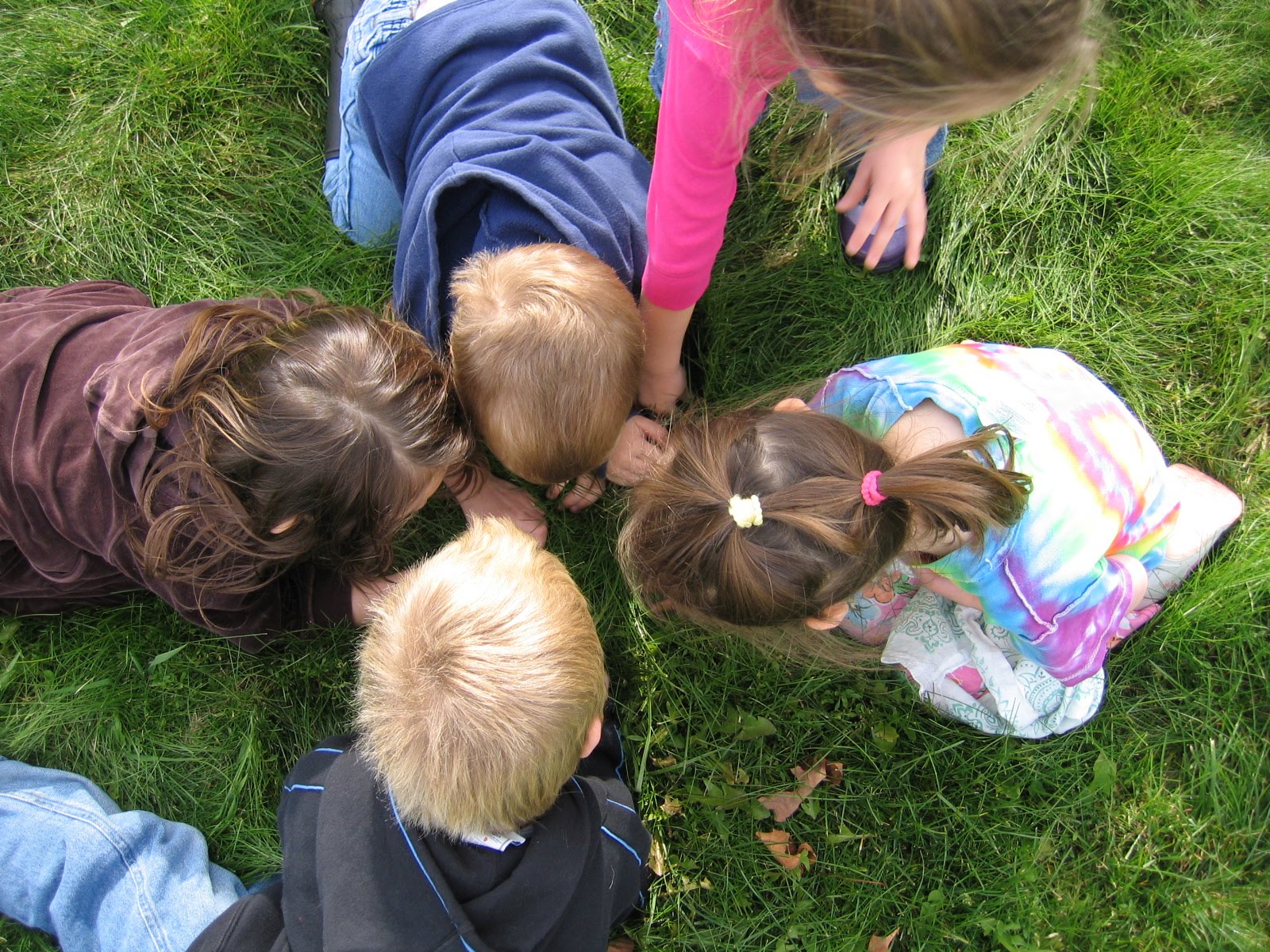
      I come across a gigantic spider and call to the kids on bikes to come have a look. We shudder and agree that while none of us wants a spider on us- especially that one- they are very cool to watch. And we wonder where mama spider is going to deposit the huge white egg sack she is hauling around behind her.
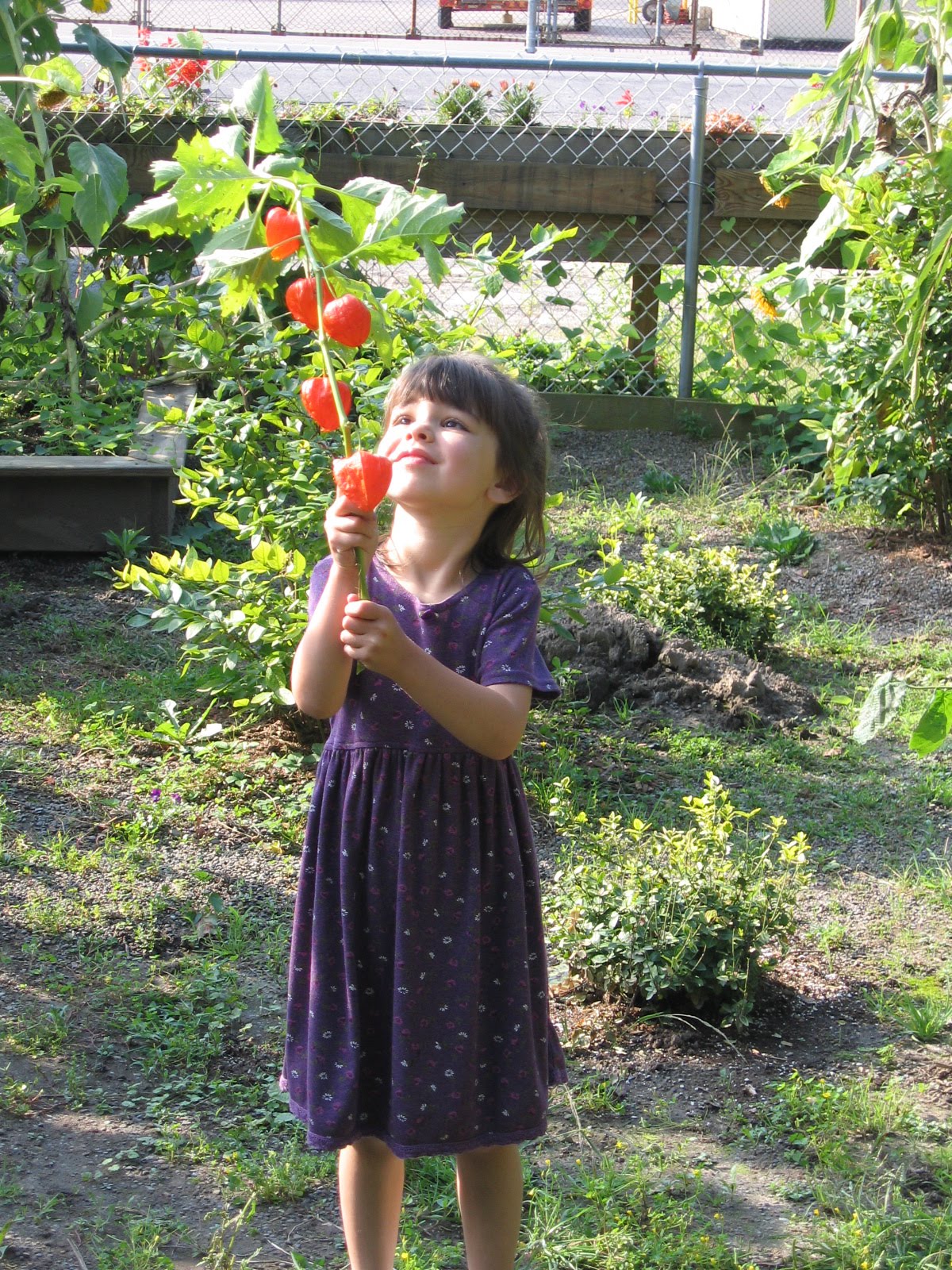
      After many years of cultivating perennials, it is time to thin the plants. I try to save as many as I can, and delight in watching the evolution of the neighborhood as it becomes awash with the color and fragrance of the beauties that have outgrown my garden. The little guy from next door shyly approaches to give me a blossom from his mother’s garden, and then helps her transplant some of my flowers into their yard. My neighbors and I have become partners in this venture, assisting one another as needed, sharing tricks of the trade and a cool drink on the front steps as we admire the fruits of our labors.
Courtesy of Suzanne Blackburn

      Gardening is synchronous to life: the flowers, the weeds, the web of life and its interconnectedness. We grow and blossom when the conditions are conducive to growth. We wilt and wither when we are not getting what we need. We cycle through seasons of productivity and dormancy. We live in chaos when the extraneous details become so blown out of proportion that we lose sight of our true purpose. We need other people, in the way that the garden needs its many organisms, to exist.

      Gardening with little ones is a wondrous experience. Preschoolers love to play in the dirt alongside us as we dig and observe the miracles of nature. But how bittersweet it is when they lose interest in things that once fascinated them, to become more enthusiastic about what is going on beyond the boundaries of family life. We are tempted to hang on for dear life to the way things used to be, but we must be brave and let go a little more each day. Children are doing what they need to do: developing their own interests, seeking independence, bonding with other members of society, learning to fly. Before we know it they are packing to leave the nest to go out into the world on their own. We can only hope that they are fully prepared for the intricacies of day-to-day life.
      I have become the eccentric lady in the garden down the street, keeping a protective watch over the children, as other neighbors have done before me and will continue to do in generations to come.
Friends from down the street stop by and we share news about our grown children, who are off making their own way in the world, as we watch the little ones scamper after the ice cream truck. – RDW (6-2-10)

Another look at defining a parent’s role

Over the years I have noticed a definite shift in the current approach to parenting. It seems to me that many, many parents are more concerned with being a child’s friend than being the one who sets limits and enforces discipline.
     
In the more extreme cases, there is no attempt to correct inappropriate behavior. These parents believe that it is best to allow kids to fully express themselves in the way that the child sees fit, and that by interfering with his actions, they are somehow limiting the capacity for him to be who he is.
      
As a result these kids walk all over their parents, becoming the literal ruler of the home-(”You can’t tell me what to do-I’ll come when I’m good and ready”). These children tend to show little consideration for the rights and property of others, steamrolling their way through public venues and other people’s homes. Meanwhile the parents are helpless to intervene, if not oblivious to the upheaval their kids are creating.  
      
Once when I was at a gathering with my young children, a little boy came up to my three- year-old son and bashed him in the side of the head with a rock. Mama Bear (myself in protective mode) snatched that kid up, set him on the steps and admonished, “Don’t you ever do that again! That hurts!!” He immediately got up and ran crying over to his father who responded in a sing song voice, “oh, you shouldn’t do that…”
      
At the other end of the continuum is the over protective, controlling parent who doesn’t let their child out of their sight, demands perfection, or constantly steps in on the child’s behalf, thereby not allowing him a chance to work things out for himself or learn from his mistakes.
Neither one of these approaches is fair to the child.
      
In order for a person to become a well-adjusted and productive member of society, he needs to be allowed to discover who he is, and how to navigate societal expectations. Among other things, this involves learning self discipline and manners, how to work out peaceful resolutions to conflict, and being allowed to identify one’s own talents and passions.
      
Children are not able to do this without guidance in terms of defining what behaviors are unacceptable (e.g., being disrespectful, hurting others, stealing, lying, breaking things), and providing suitable consequences for misbehavior.
      
Don’t be afraid to be firm; but keep in mind that use of force only teaches a child to be angry and fearful, and that power is what counts.
      
Consequences for misbehavior should make sense to a child:
      • Time out to collect himself when he loses self-control (a simple rule of thumb is one minute per year of age);
      • Loss of privileges if responsibilities have not been fulfilled;
      • Restitution or replacement of property that has been damaged;
      • Returning a stolen object in person.
A child with clear limits knows where he stands. Being inconsistent confuses him and makes him try harder to get away with everything that he can. If he expects a certain outcome each time he misbehaves in this manner, he learns that it is not okay to act this way, and if he does, there are consequences.
      
Before you give an ultimatum, ask yourself whether you plan to carry out this action, or is this an empty threat- one that you have no intention of following through with. Empty threats (e.g., “If you won’t put your toys away, you won’t have any toys!” or “If you don’t come now, I’m leaving you here!”) are a desperate attempt to regain control over a situation, and children will challenge you to see who is actually in control.
      
If you give a warning that you intend to follow through on, make sure that it is an appropriate consequence to the misbehavior, and that it is fair to everyone involved. Don’t punish yourself and other family members for one child’s misbehavior (“If you don’t load the dishwasher right now we are not going to the movies”)
      
Parents need to come to an agreement regarding discipline, otherwise children gain the upper hand by playing one parent off of the other. Above all, strive to be consistent. Make clear your expectations and follow through with appropriate disciplinary measures as necessary. RDW (7-5-10)

There’s nothing to do…

      There is utter stillness in the heat of this steamy day. The cooling breeze of flight through the air, on a swing that burns my butt when I sit on it, refreshes me… I’m making a potion with cut grass, bits of leaves, rose petals and smooshed berries that will probably kill me if I eat them. The heady fragrance of wet earth and the icky granular feel of muck makes a squishing sound and oozes through my fingers as I create mud pies for the main course of this feast… I walk barefoot over the hot prickly grass of a field, the scent of clover, hum of cicadas, and warble of birdsong following me as we take a shortcut to the pond for a swim; the release of caked on mud as I tentatively enter the water feels so good; the cool astringent smell of green dripping from my hiding place under the the raft soothes me.
      Our most vivid memories are deeply sensual. Within the domain of electronics something is lost in our experience of the world. It’s so sad that so many children don’t know how to keep themselves occupied without a TV or computer or some other digital device.
      The beginning of summer is very much like the start of a new year- filled with possibility and promise. Don’t let it slip by without making the most of it. Call a family meeting and make an exhaustive list of everything you and the kids might do this summer.
This area offers so much in the way of it’s parks and festivals; out door concerts and theater groups. There are playgrounds and sporting events at any park or school yard, bicycle paths, streams to explore, hiking trails and nature preserves.
       But perhaps the best fun of all is within our own back yard and neighborhood. The the spontaneous games of hide and go seek, kickball, tag, and capture the flag; pitching a tent (or throwing a blanket over the clothes line) and toasting marshmallows, stargazing and catching fireflies; building forts and making secret hideouts. These are the things we remember from our childhood.
      Don’t let your kids become junior couch potatoes. There is so much more to life than remaining practically comatose for hours on end in front of a screen. Set a daily limit on computer and TV time and then enforce it, despite the fact that at times it doesn’t seem worth the struggle. It is our job as parents to teach kids how to make their own fun. This requires effort on our part.
      Get your children into gardening. Even if you don’t have a plot of land at your disposal, try container gardening or look into renting a spot at a community garden. Peas, carrots, beans and salad greens are easy to grow and harvest without having to wait for months to enjoy the fruits of your labor. Kids who might have turned their noses up at these things are more willing to eat vegetables if they have had a hand in growing them.
      So often when you ask a child where something comes from (milk, fruits and vegetables, strawberry jam, apple sauce), they respond, based on their limited experience: “the store”. Get a few families together and go to a pick-your-own fruit farm www.pickyourown.org , or a dairy or sheep farm. Children are fascinated to see beyond the obvious and start looking at the world in a whole new way.
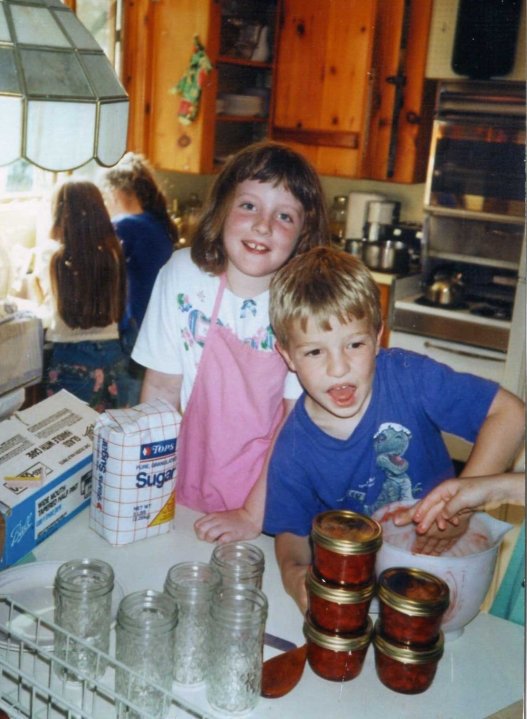
      Get the kids involved with making fresh squeezed lemonade, ice cream, jams and pies, or otherwise preparing local harvest for future use. Letting kids participate in the production of the food they eat is a tremendous learning experience, provides a healthy alternative to processed foods, aids the local economy, and helps our planet in so many ways.
      Get out the sidewalk chalk; play hopscotch or hangman, jacks, jump rope, charades.
    Have a neighborhood carnival with bike decorating and face painting; bean bag toss, drop the clothes pin into the milk bottle, and penny pitch; three-legged and sack races, hula hoop contests, scavenger hunt, wheel barrow rides, water balloons and lemonade stand.
     Find a thicket of bushes and play jungle. Press flowers and make butterfly nets and daisy chains and crowns of leaves. Play in the rain. Make mud pies.
      Kids growing up in this day and age are not necessarily aware of the great fun to be had away from the TV and computer. We can’t just tell them to go play and assume they know what that means. We have to show them how it’s done. This takes time, but it is time so well spent. And your children will thank you for it.- RDW (6-21-10)

Booking the lives of children

     When my children were young they played Little League baseball and attended scouts. Many of our friends’ children did as well, in addition to their piano lessons, dance, karate, and church school. 
     It seemed as I spoke with other parents that this level of involvement with extra curricular activities was the norm and I began to question my own instincts to let the kids have the time I thought was necessary for creative play, for discovering who they are without being bombarded with scheduled activities. In a moment of self-doubt, I asked my sons if they felt gypped because their friends got to do all of these things and they didn’t. “No! I like to play!” 
     And play they did. They built forts and went in search of stream critters and made treasure maps and played Hide and Seek and Capture the Flag. They had neighborhood Olympics and read great books, created masterpieces with sidewalk chalk, made potions, climbed trees, kept detailed notes as they spied on one another, had back yard carnivals, and played kick ball. 
     It was a rare occurrence to hear them complain that they were bored. TV time, including video, was limited to an hour per day. Computer time was limited to 30 minutes per day, or an hour after they turned ten to accommodate more sophisticated activities.
     So many kids today have little time just to be. There is so much pressure on us as parents to live up to the standards of the people around us. I want to laugh and cry when I see the Baby Einstein and educational materials designed to create little geniuses and when the children can’t live up to being the best, most brilliant, most athletic, most fashionable kid on the block, excelling at each thing put before them, then clearly they (or their parents) are a failure. What pressure they endure from the most well meaning of loved ones!  
   
     I have come to believe that the thing that matters most is that they are fully aware of their own inner light, that they are able to call on their inner resources: creativity, courage, contentedness, acceptance, forgiveness, and happiness. Allowing the time to discover who they are in this world without the constant intervention on the part of the adults in their lives. Guidance yes. Loving support and encouragement, by all means. But trying to mold them into the some preconceived notion of perfection, or into the person we wish we had become can only be detrimental to their well-being.- RDW (6-26-07)

A rhythm to our days


     Rhythms are a constant throughout our lives.  We start life hearing mother’s heart beat.  The rhythm of mother’s body brings us into this world.  We breathe, our hearts beat.  Night brings day brings night… the moon cycles, the seasons change, the waves crash upon the shore eternally, and we listen to the clock ticking in sleepless night.  

     Rhythm is the heart of life.  It makes perfect sense then that children need a predictable routine to their lives.
     As the summer starts to wind down, it is our job to help children  begin to get into their fall routine a couple of weeks before school begins.  The lazy days of summer have  swept us away in a different whirlwind of activity, and most of us are quite exhausted from the frantic pace we have managed to keep despite every intention to relax a bit.  We tend to forget that recovering from the “jet lag” of this transition does not happen overnight. 
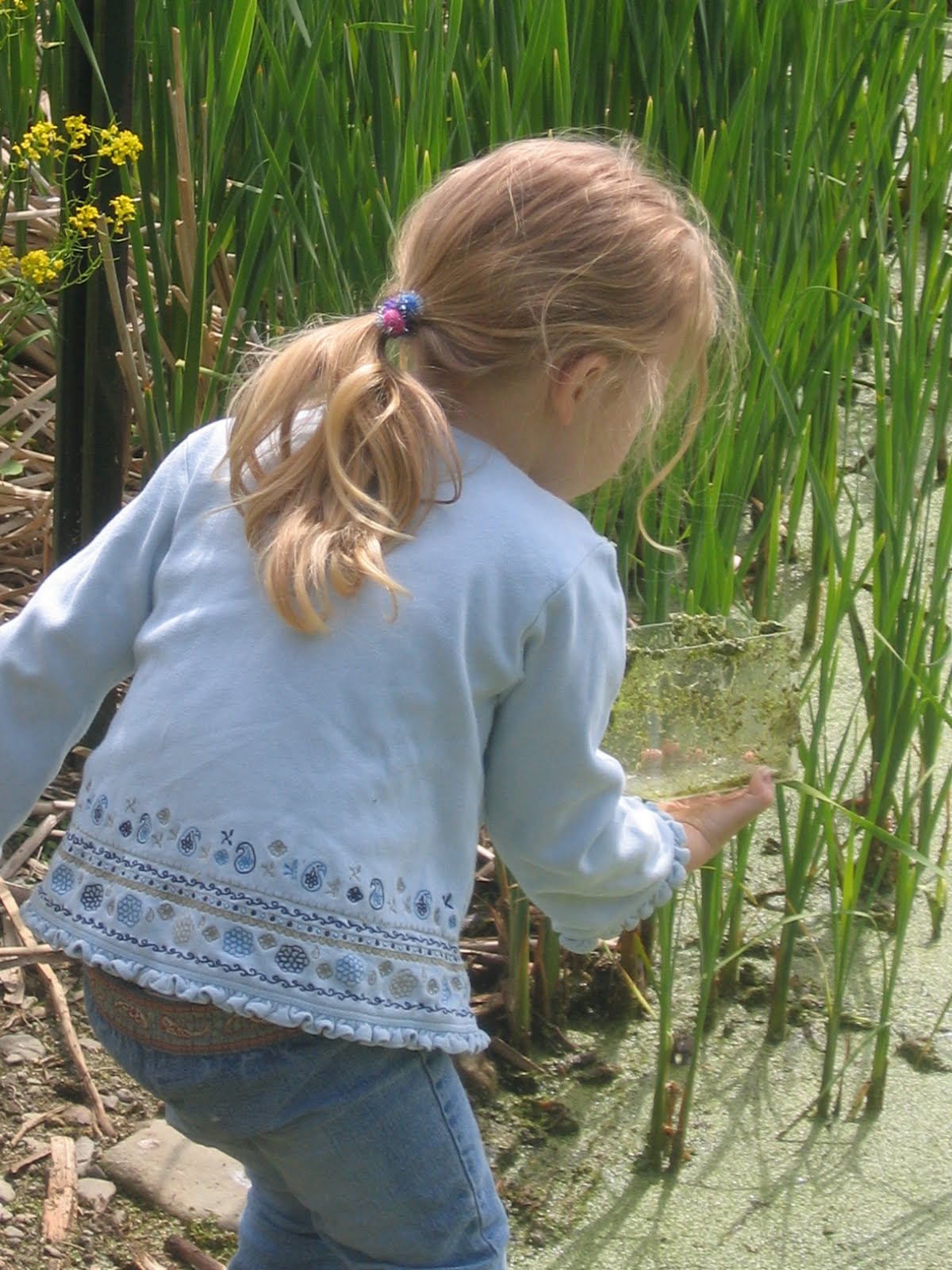
     Back in the days when I was home with my toddlers, we settled into a routine.  Out of the house by 9:30 (rain or shine which took some doing with four kids!),  an almost daily walk downtown took an hour and a half in the cold months, three hours in the warm weather to allow for inspection of anthills and spiders weaving their webs, watching caterpillars munch, and dropping leaves and sticks into the stream.  Not to mention sitting on every rock and stump we encountered, and climbing through the cluster of bushes we called the “jungle” on the corner.  On the days we went to the playground, we stopped to wade in the creek in search of crawdads and other critters.  
     Regardless of what we were doing, my full intent for the morning was to wear those kids out so they would take a good long nap!  Timing was everything.  We had to get back home for lunch without the babies falling asleep on the last leg of our journey, for even a ten minute snooze would not only blow the luxury of peace and quiet;  they would awaken the moment the stroller rolled to a stop, and be rested enough that they would instead nap from 4:30-7:30 and be awake half the night.  
So much for early to bed!

     Likewise, if they didn’t go down for nap before 12:45 pm at the latest, they would get their second wind only to crash in the late afternoon.   This was to be avoided at all costs.  

     After nap: snack, another walk around the block,  and then Mr. Rogers and Disney while dinner was being prepared.  Dinner, baths, story time, bedtime.  Our house ran like clockwork as I realized that really, children do need rhythm to their day.
     Rhythms are at the very core of our existence.  While a certain amount of flexibility is necessary and desirable, having a routine helps us to feel grounded and in control of our lives.  It takes so much of the struggle out of our days when the children know when it is time to get dressed and why, when they can expect snack or lunch, and when it is time to go to sleep.  
     We all want to know what to expect.  It is a consolation to parents as well, allowing us to anticipate a break from the wonderful mayhem that is childhood!
RDW 8-8-09

Lessons from nature

     Childhood is such a gift.  Those of us with children have been given a second chance to experience that magic and wonder  of seeing life through the eyes of a child.  Things that we have come to take for granted, come alive.   Take for example the  wildlife on your property or in your neighborhood.   Taking the time to sit quietly or to wander daily around the back yard  with your little one can become a life altering experience. 

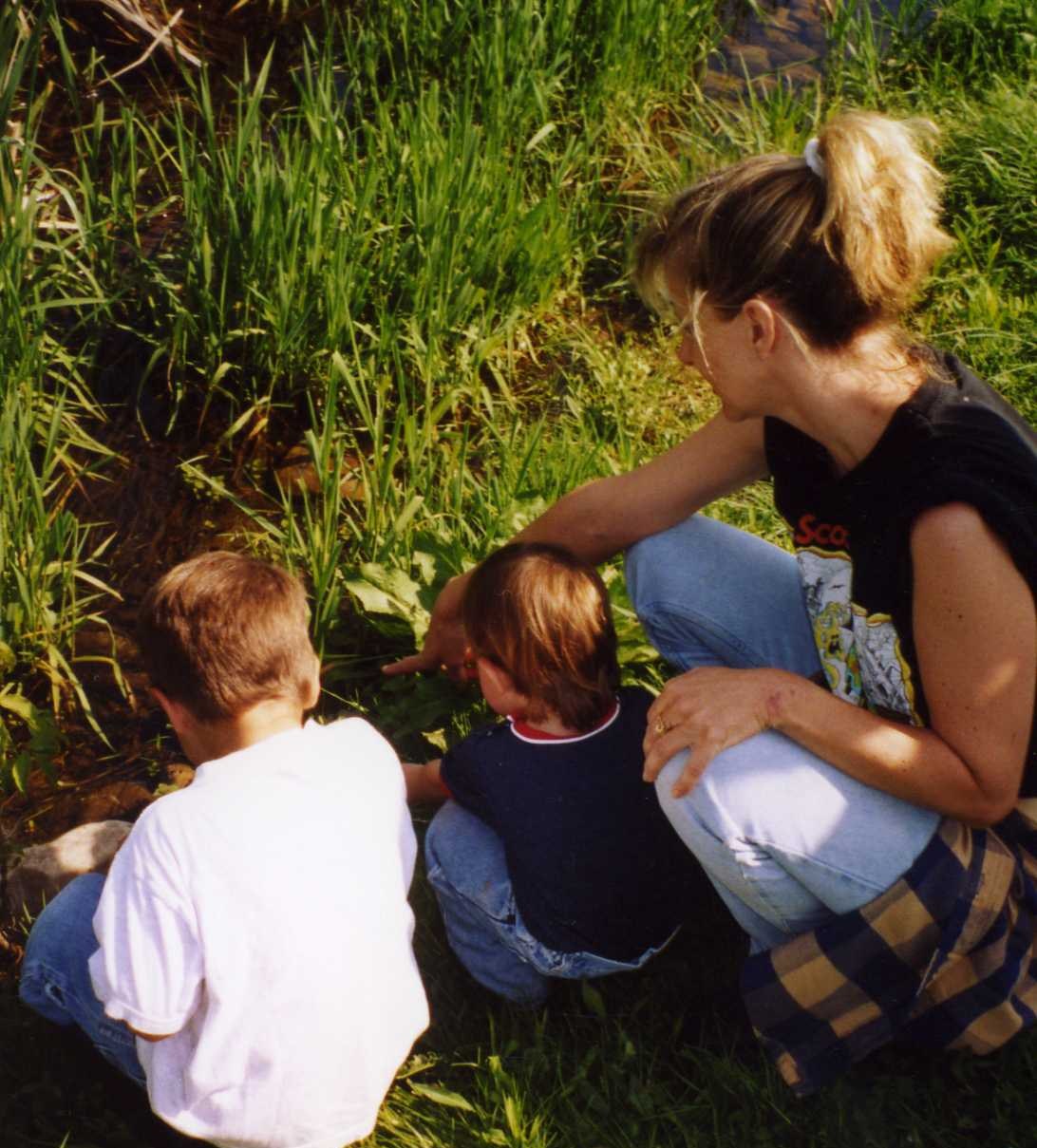
     In our garden there is pair of cardinals, numerous chickadees, flocks of finches  and sparrows, a blue jay or two, four or five squirrels, and a large toad.  The little hole between the tree and brick path is a chipmunk’s burrow.  The closer you look, the more you will see: the spider web next to the pond, the aphids sucking the life out of the honeysuckle, and the ladybugs munching on aphids!

     The birds have particular perching spots that they return to time and again:  the fence post, the bush next to the parking lot, the wisteria, the tree at the back of the property…  They seek food, squabble among themselves,  and cooperate!   
     Once we watched two sparrows collecting nesting material while a third kept watch for danger from the telephone wire; after a time, the sentinel flew down to assist in gathering while the other took a turn at sentry.  
     Different types of birds have different calls for different situations.  We usually hear a bird before we see it and  learning to recognize its song before we locate the bird is good practice for learning to read (and distinguishing between similar sounds helps to prepare a child in learning to discern between consonants when it comes to phonics).
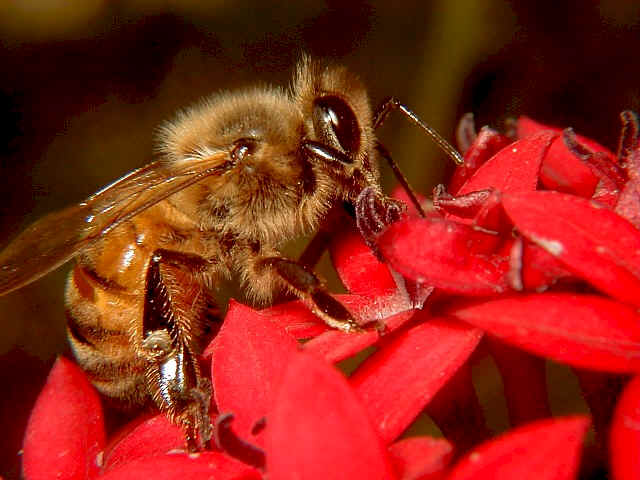
     Children who are afraid of bugs (often reflecting their parent’s response to various situations) overcome their anxiety by studying insect behavior: watching a bee gather pollen;  a spider weave her web; a colony of ants collect bits of cracker dropped near the hedge.  Likewise, children whose parents enthusiastically go to a window or the porch during a thunderstorm to watch the clouds, lightening, and rain,  locating the direction of the storm, calculating the distance, are not afraid of thunder.   
     Count the different kinds of plants, insects, birds in your yard.   Lay in the grass and look up into a tree, watch the clouds, gaze at the stars.  
     Creating an intimacy with the natural world makes it impossible not to think about how the way we live affects this planet and all of life.  The teachable moments become innumerable as we see a blue jay pecking at a cigarette butt, a cat eating a bird, a plastic bag blowing against the fence. Asking your child questions will help them give their logic and reasoning centers a workout (e.g., “what would happen if an animal got stuck in that bag?”)  We start giving thought to the weed killer we consider putting on the lawn, or the bug spray we are tempted to use on those horrible aphids (One child observes, “but if that poisons the bugs, won’t it poison the other animals, and if we kill all the bugs, what will the birds and toads eat?”).
     Spending time in nature is so good on so many levels, particularly if you feel you don’t have time for that.  Have you noticed that when you are most pressed for time, the children become much more demanding?  I have always found that if I give them my undivided attention for a time, they will keep themselves occupied for more than enough time to compensate. 
     Being in nature has a way of calming everyone down..   Take the time this fall to build warm memories with your child, the kind that sustain through the rough times, the kind that your child will look back on with warm nostalgia.  
     As many of us know already, all too soon, the children grow in their struggle for independence, leaving us to pray that we have laid the ground work for him or her to lead a thoughtful, intentional and productive life.  – RDW 7-21-09